



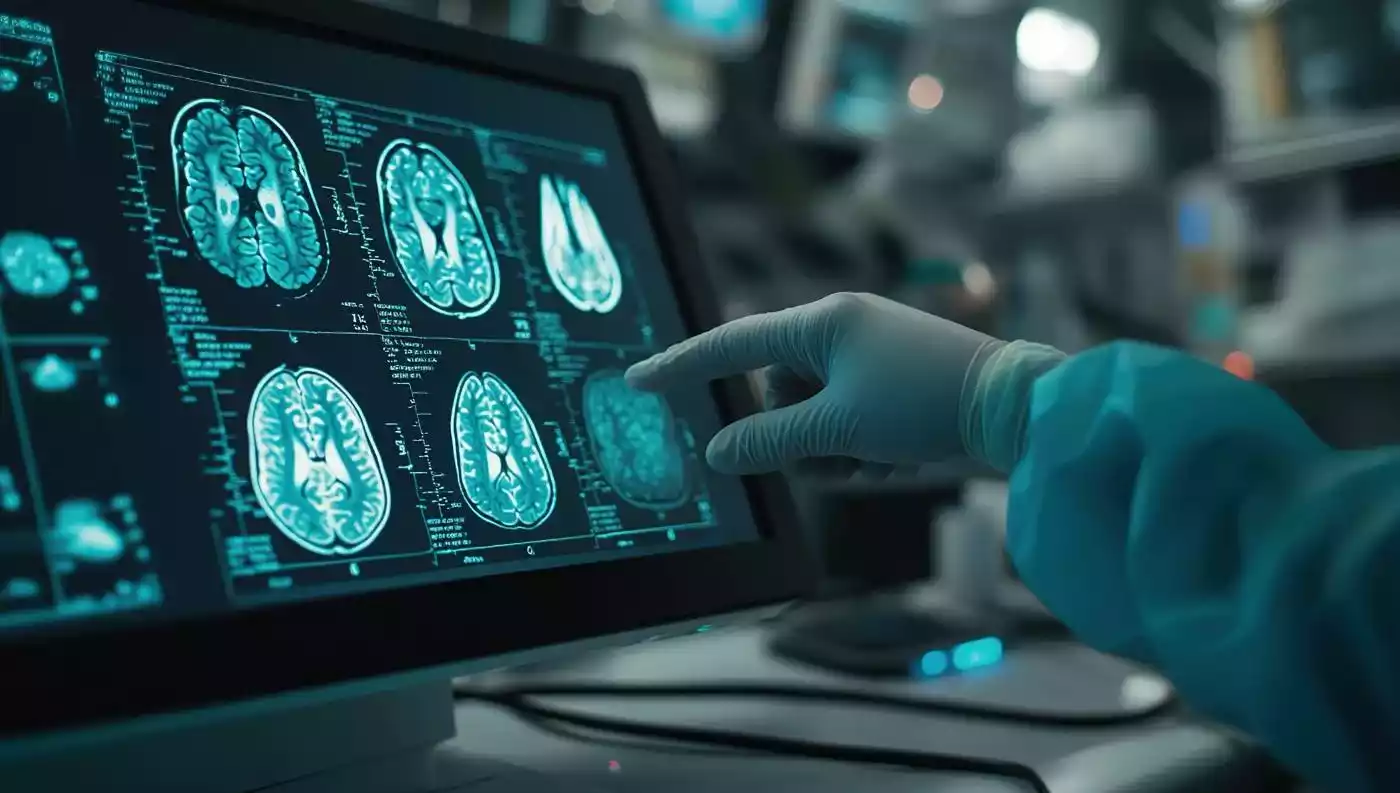
Traumatic brain injuries can happen from seemingly simple concussions. Many times, no one seeks medical help because they may in shock or simply don’t understand what has happened. But these injuries can change your life.
What may begin as a headache or confusion can quickly lead to long-term challenges that affect how you think, feel, and function each day, and can persist well into the future. These injuries are often difficult to prove because they cannot be seen, making the experience even more frustrating and difficult to explain. But there is medical help and treatment, and the law allows brain injury recoveries.
If you or a loved one has experienced a concussion, which is a brain injury, you need to consult medical providers who are well-trained in diagnosis and care. It’s normal to feel challenged, and the path forward often feels uncertain. You may be dealing with medical appointments, changes in daily routines, and emotional stress, all while trying to understand what life will look like moving forward - what is the new normal?.
At Schefman & Associates, PC, we have been helping individuals and families move forward after brain injuries for over 40 years. We’re located in Bloomfield Hills, Michigan, and serve clients throughout Oakland, Wayne, Macomb, and Washtenaw Counties. Reach out to us today to discuss your situation and learn how we can help.
Recognizing Traumatic Brain Injuries
Brain injuries can affect nearly every part of your daily life. While some symptoms may appear right away, many others develop gradually, making it difficult to fully understand the extent of the injury at first. Most of the time, people sense something is different, but can’t put their finger on it, or fear facing the problem.
You might notice changes in memory, concentration, or communication. You may find yourself searching for words, or reading the same sentence two or three times, or not understanding what you have read. The lines of text may seem to float. Tasks that once felt routine can suddenly require more effort. You may feel exhausted by what had been routine. It can affect your ability to work, manage responsibilities, or stay organized throughout the day.
Emotional changes are also common after brain injuries. You may feel increased frustration, anxiety, or mood swings, and find yourself yelling and frustrated by simple conversations. These shifts can impact your relationships and make it harder to communicate with others.
Physical symptoms can also play a role. Headaches, fatigue, and sensitivity to light or noise can affect your comfort and limit your daily activities. Recognizing these challenges is an important step in adjusting and seeking support.
In many cases, traumatic brain injuries can also affect sleep patterns, energy levels, and overall focus. You might find it harder to complete tasks that once felt simple, or you need more time to process information. Recognizing these shifts early can help you adjust expectations and seek the right type of support. If you or a loved one has been in a vehicle collision and has experienced these symptoms, you can contact Schefman & Associates; we can help.
Seek Medical Care and Support
Traumatic brain injuries often require care beyond the initial diagnosis. Recovery is rarely immediate, and seeking medical attention promptly will not only address concerns as they arise but also help ensure a more complete recovery.
Therapies are available for brain injury support, and rehabilitation services often play an important role in recovery. These can include physical, occupational, and speech therapy, focusing on helping you regain skills and improve daily functioning. Emotional support, just as important as physical care, can be found in speaking with a counselor or joining a support group, which can help you process your experience and feel less isolated.
But seeking out that care quickly is essential to your long-term recovery. Most minor traumatic brain injuries resolve within 3-6 months, but many take much longer, and some never resolve completely or at all, although there may be some improvement.
Document the Effects of Traumatic Brain Injuries
Keeping track of how brain injuries affect your life can make a meaningful difference. Medical records are important, but they don’t always capture how your daily experiences have changed.
Start by documenting physical symptoms such as headaches, dizziness, or fatigue. Then include cognitive challenges like memory loss, difficulty concentrating, or trouble completing tasks.
It’s also important to record how your routine has changed. This could include missed work, reduced productivity, or difficulty managing responsibilities at home.
- Track medical visits: Keep records of appointments, treatments, and provider recommendations.
- Record daily challenges: Note difficulties with tasks, focus, or energy levels throughout the day.
- Document emotional changes: Include mood shifts, stress, or changes in behavior.
- Keep financial records: Track medical bills, lost income, and other related expenses.
Maintaining these records helps create a clearer picture of your experience. It shows how brain injuries affect your life in ways that medical reports alone cannot explain.
Protect Your Claim
After brain injuries, insurance companies often become involved quickly. While they may appear helpful, don’t be fooled; their goal is to reduce what they pay.
Speaking with an experienced personal injury lawyer at Schefman & Associates before discussing specifics with your insurer is essential, and it can help protect your claim.
Before communicating with insurance representatives, you should understand the issues they are trying to learn about. Early settlement offers might not reflect the full impact of brain injuries or the long-term care that should be considered. Taking a careful approach allows you to stay focused on your recovery while protecting your rights throughout the process.
Schefman & Associates can help you avoid common pitfalls when dealing with insurance companies and strengthen your claim and present a more accurate representation of how traumatic brain injuries affect your life and how they should be compensated.
Recovery For Traumatic Brain Injuries
Michigan law requires that an individual suffer a serious impairment of body function to bring a claim against the at-fault driver. But a person suffering a traumatic brain injury may recover from for his or her injuries. The key is to document the injury and work with an experienced personal injury lawyer at Schefman & Associates. We help gather information, manage communication and recovery, and take all of the necessary steps to support your claim.
At Schefman & Associates, PC, we understand how injuries can affect every part of your life. But meaningful steps toward recovery require clarity and support, and counsel that has been there before. If you or a loved one is dealing with a traumatic brain injury, you don’t have to face it alone. Our firm serves clients in Bloomfield Hills, Michigan, as well as in Oakland, Wayne, Macomb, and Washtenaw Counties. Reach out to us today to discuss your situation and take the next step toward recovery.