Motorcycle Gear and Injury Claims: Does Protective Equipment Matter?

Motorcycle crashes happen fast, and the consequences can change a life in seconds. When you’re riding, you’re exposed in ways drivers in enclosed vehicles never are. Even cautious riders can suffer serious injuries due to another driver’s careless decision. After a crash, many riders feel overwhelmed by pain, medical bills, missed work, and uncertainty.
At Schefman & Associates, PC, we work with injured riders across Michigan, including Oakland County, Wayne County, Macomb County, and Washtenaw County. If you’re dealing with injuries or questions after a crash, reach out to us to talk through your options with a professional motorcycle accident lawyer who understands.
Protective equipment plays a significant role in reducing injury severity during motorcycle crashes. Unlike car occupants, riders don’t have seat belts, airbags, or steel frames surrounding them. Helmets, jackets, gloves, and boots serve as a rider’s primary physical protection when something goes wrong.
Medical research consistently shows that helmets reduce the risk of traumatic brain injuries and fatal head trauma. Jackets with abrasion-resistant materials help prevent road rash, while reinforced pants and boots protect joints and lower extremities. Gloves can reduce fractures and severe hand injuries, which are common when riders instinctively brace during a fall.
That said, wearing protective gear doesn’t prevent all injuries. Broken bones, spinal trauma, and internal injuries can still occur, especially in high-speed collisions or crashes involving larger vehicles. What matters legally isn’t whether the gear prevented injury entirely, but how it factors into insurance arguments and responsibility claims.
Michigan law has specific rules regarding motorcycle equipment, and those rules often become part of injury claims. While helmets aren’t mandatory for every rider, insurance companies frequently scrutinize gear choices after a crash.
Michigan allows certain riders to operate motorcycles without helmets if they meet insurance and age requirements. Even though this is legal, insurers may still argue that not wearing a helmet contributed to the severity of injuries. These arguments don’t automatically eliminate your right to compensation, but they can influence how insurers approach negotiations.
Other equipment, such as eye protection and lighting requirements, may also be reviewed after a crash. Insurers sometimes look for any reason to shift blame away from a negligent driver. We help clients understand how Michigan law applies to their situation and respond to these tactics in ways that protect their claim. Call us today to work with a motorcycle accident lawyer.
A common concern among injured riders is whether not wearing certain protective equipment will reduce or eliminate compensation. The answer depends on several factors, including how the crash occurred and what injuries were sustained.
Insurance companies may argue comparative fault, claiming that injuries would have been less severe if certain gear had been worn. This argument focuses on damages, not liability. The at-fault driver doesn’t become less responsible for causing the crash simply because a rider wasn’t wearing complete protective equipment. Common arguments insurers raise include:
Helmet use: Claiming head injuries would have been avoided or reduced, despite crash force, vehicle speed, impact angle, and other contributing factors.
Protective clothing: Arguing that road rash or fractures were worsened without reinforced gear, ignoring collision dynamics, vehicle weight, and sudden impact forces.
Visibility gear: Suggesting a lack of reflective clothing made the rider harder to see, even in daylight or with clear line-of-sight.
These arguments don’t automatically succeed. Medical records, crash dynamics, and professional evaluations often show that injuries would have occurred regardless of gear choices. We work to push back against unfair blame-shifting and keep the focus on the driver who caused the crash.
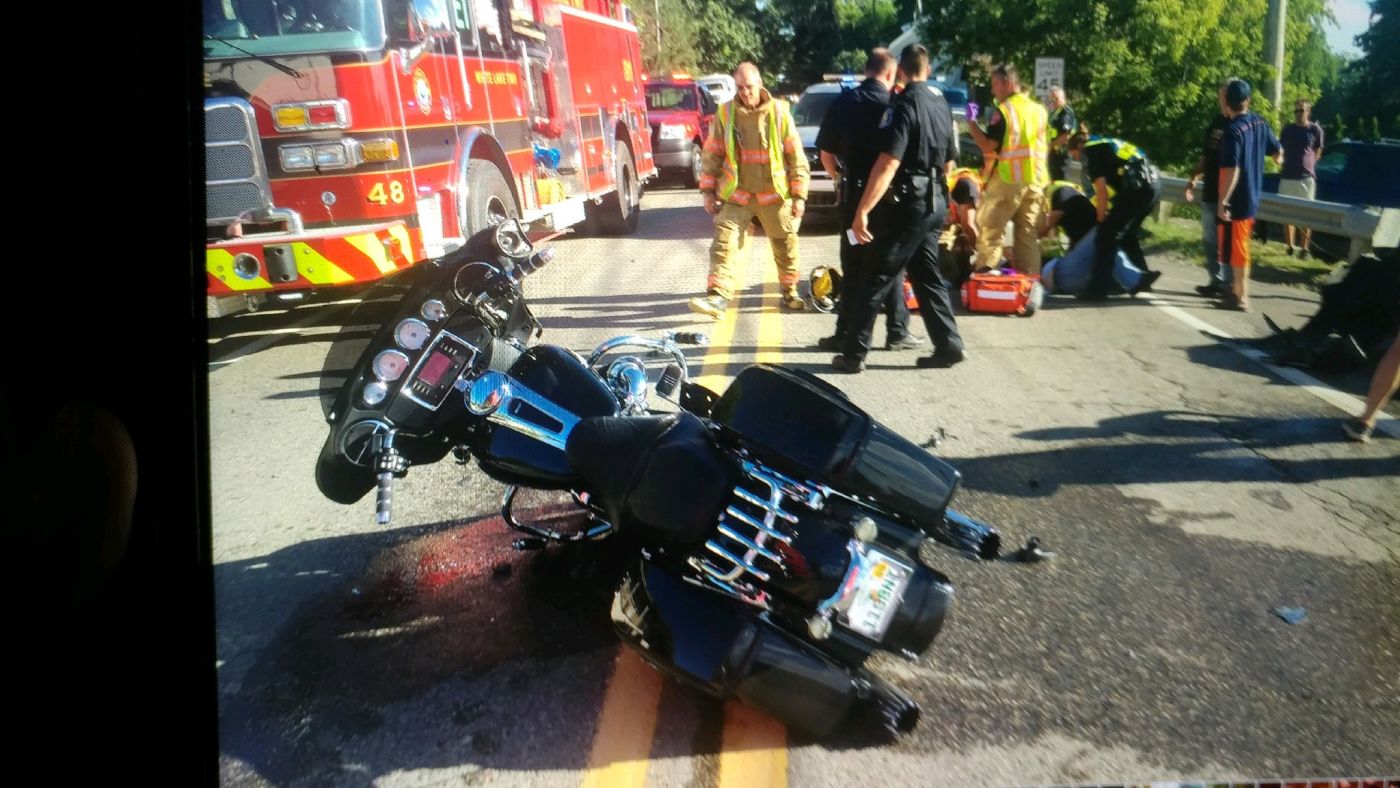
After a motorcycle crash, evidence becomes central to both insurance claims and potential lawsuits. Protective gear can be part of that evidence, whether or not it was worn.
Helmet damage, torn jackets, and scuffed boots can actually support an injury claim. This physical evidence helps demonstrate the force of impact and the seriousness of the crash. The damaged gear aligns closely with medical findings, reinforcing the connection between the collision and the injuries sustained. Evidence related to gear may include:
Photographs of damaged equipment: Showing impact points and severity, helping demonstrate collision force, direction of impact, and how the rider was thrown or struck.
Medical records: Linking injuries to crash mechanics, documenting diagnoses, treatment timelines, physician observations, and correlations between trauma patterns and the collision.
Accident reconstruction reports: Explaining how injuries occurred regardless of gear, using measurements, physics analysis, vehicle damage, and roadway evidence to clarify fault.
Witness statements: Describing the collision and rider behavior, including vehicle movements, traffic conditions, visibility, speed, and actions taken immediately before impact.
We help clients gather and organize this information so it tells a clear, accurate story. The goal is to prevent insurers from oversimplifying injuries or ignoring the realities of motorcycle crashes. Call us today to work with a motorcycle accident lawyer who understands.
Protective equipment offers clear benefits, but it’s not a shield against every type of injury. This distinction matters when insurers attempt to minimize injury claims by focusing on what a rider was wearing rather than how the crash occurred. Gear is most effective at reducing specific injuries, such as head trauma, since helmets lower the risk of severe brain injuries.
Jackets and riding pants help limit skin abrasions and road rash, while gloves protect the fingers and wrists. Boots also play an important role by offering added support and impact protection for the feet and ankles.
At the same time, protective gear often cannot prevent many of the most serious injuries riders suffer. Internal organ injuries commonly result from blunt force trauma, while spinal injuries may occur due to violent impacts or twisting motions during a collision.
High-speed crashes frequently cause multiple fractures, and soft tissue injuries involving ligaments and muscles can happen regardless of what gear is worn. Our experienced motorcycle accident lawyers focus on medical facts rather than assumptions, recognizing that many severe injuries occur regardless of gear, especially when a rider is struck by a vehicle.
If you’ve been injured in a motorcycle crash, questions about protective gear shouldn’t stop you from pursuing compensation. Whether you wore full gear, partial gear, or none at all, your injuries and losses deserve serious consideration.
At Schefman & Associates, PC, we assist injured riders across Oakland County, Wayne County, Macomb County, and Washtenaw County. If you’re looking for guidance from a motorcycle accident lawyer who understands Michigan law and motorcycle injury claims, reach out to us today to discuss your situation and next steps.