


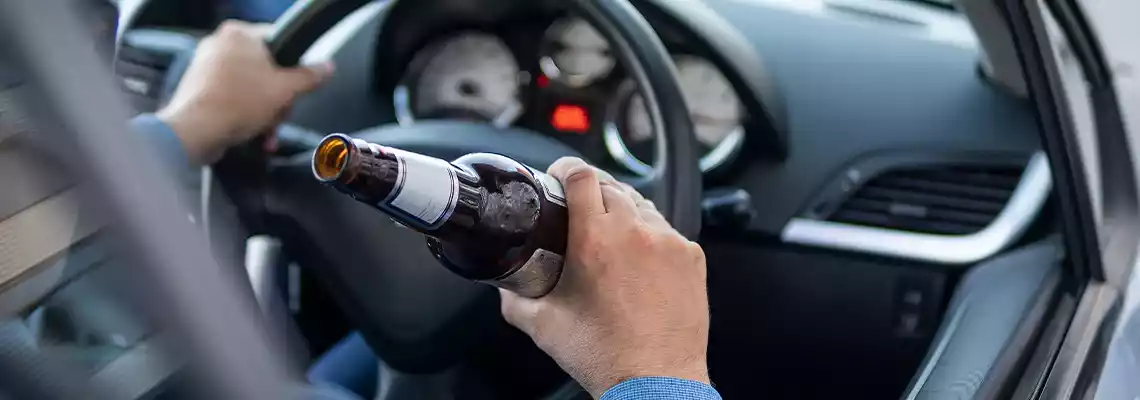
Being injured by a drunk driver can change your life instantly. These crashes often result in serious physical, emotional, and financial harm. Holding the impaired driver, and maybe any bar or store who sold liquor when that driver was visibly intoxicated, accountable, requires legal focus on both the cause of the crash and how it affects your life, and the timing to pursue the claim.
Schefman & Associates can help you take legal action, pursue damages, and work toward recovery after you or a family member are injured by a drunk driver. Legal guidance is especially important because the timing of each step is critical to holding guilty parties liable.
When a drunk driver causes an accident, the consequences, though devastating, need experienced counsel to hold guilty parties liable. At Schefman & Associates in Bloomfield Hills, Michigan, we help victims pursue justice and build strong legal claims to hold the driver accountable and seek compensation for injuries, losses, and lasting harm from any liquor seller involved.
The Basics of Drunk Driving Accidents in Michigan
Drunk driving, legally referred to as operating a vehicle while intoxicated (OWI) or driving under the influence (DUI), is a serious offense in Michigan. The state’s blood alcohol content (BAC) limit is 0.08 percent for drivers aged 21 and over. Driving with a BAC at or above this level is illegal and carries severe penalties. But how do you prove the legal limit was exceeded?
When a driver causes an accident while impaired, the driver usually gives a breathalyzer to check blood alcohol level. Many times, a drunk driver is taken to the shoptalk and a warrant is often needed to take his blood to determine the level of alcohol intoxication. If hours have passed between the accident and the testing, you need experienced counsel who can work with experts to look backwards in time to determine the likely level of intoxication at the time of the crash, and at the time of the sale of alcohol. You will need witnesses who can establish visible intoxication at the time of the sale. And you need to be sure that liquor seller is notified of the claim within 120 days of the accident.
Michigan’s Legal Process for DUI Accident Claims
After a drunk driving accident, filing a claim for damages requires understanding Michigan’s legal procedures. Accident victims typically pursue a personal injury claim, which can result in financial recovery for:
- Medical expenses
- Rehabilitation costs
- Lost income due to inability to work
- Pain, suffering, and emotional distress
- Property damage to vehicles or personal belongings
The process starts by notifying the at-fault driver’s insurance and filing a claim. If payment is denied or delayed, a DUI accident attorney can file a lawsuit. Michigan has a no-fault insurance system, but serious injuries from intoxicated drivers allow claims for full compensation under certain exceptions. And most importantly, any liquor seller involved in an illegal sale must be notified within 120 days of the date counsel is retained for such a claim.
Common Injuries Resulting from Drunk Driving Accidents
Drunk driving accidents often lead to severe injuries due to the force and unpredictability of collisions involving impaired drivers. Some common injuries include:
- Traumatic brain injuries (TBI)
- Spinal cord damage and paralysis
- Broken bones and fractures
- Internal organ injuries
- Severe lacerations and burns
- Psychological trauma, such as PTSD
Injuries from DUI accidents require extensive medical treatment and long-term rehabilitation, adding to the emotional and financial toll on victims and their families, but the requirement of establishing a serious impairment threshold injury still applies.
Filing a Claim After a Drunk Driving Accident
To protect your rights after a drunk driving accident in Michigan, follow these steps:
- Seek immediate medical attention even if injuries seem minor
- Report the accident to the police and obtain a copy of the police report
- Seek out legal representation immediately
Legal Support for Drunk Driving Accident Victims
Motorcycle victims across Michigan often need support to hold their lives together and get medical care and get the bills paid, and hold impaired drivers accountable to pursue compensation for the harm they’ve caused.
A DUI accident attorney can assist by listening closely to your concerns, explaining your legal rights, and outlining your options. They handle legal filings, manage communication with insurers, and help you build a strong case based on facts and documentation.
From gathering evidence to representing you in negotiations or court, Schefman & Associates works to pursue an outcome that benefits YOU. Whether through a settlement or a trial verdict, the goal is to address the lasting impact of the crash and seek recovery for your injuries and losses.
Preventing Drunk Driving Accidents in Michigan
While legal action holds drunk drivers accountable, preventing these accidents is key to community safety. Public awareness campaigns, law enforcement checkpoints, and strict penalties all play a role in reducing impaired driving.
As accident victims seek justice, the broader goal remains lowering the incidence of drunk driving crashes through education and enforcement.
Important Questions to Ask Your Accident Attorney
When choosing an attorney to represent you after a drunk driving accident, consider asking:
- How much experience do you have handling DUI accident cases?
- What is your approach to communicating with clients?
- Will you handle my case personally or assign it to someone else?
- What are the likely damages I can recover?
- How do you charge for your services?
Clear answers and personal attention can make a significant difference as you move forward with your case.
Schedule Your Consultation Today
If you’ve been injured by a drunk driver in Michigan, Schefman & Associates in Bloomfield Hills is ready to help you. Our experienced DUI accident attorney can work on your behalf to hold negligent drivers accountable and pursue damages. We serve clients across Wayne County, Oakland County, Macomb County, Washtenaw County, and Genesee County. Reach out now to discuss your case and take the first step toward recovery.