Drunk Driver and Bar Liability in Car Crashes
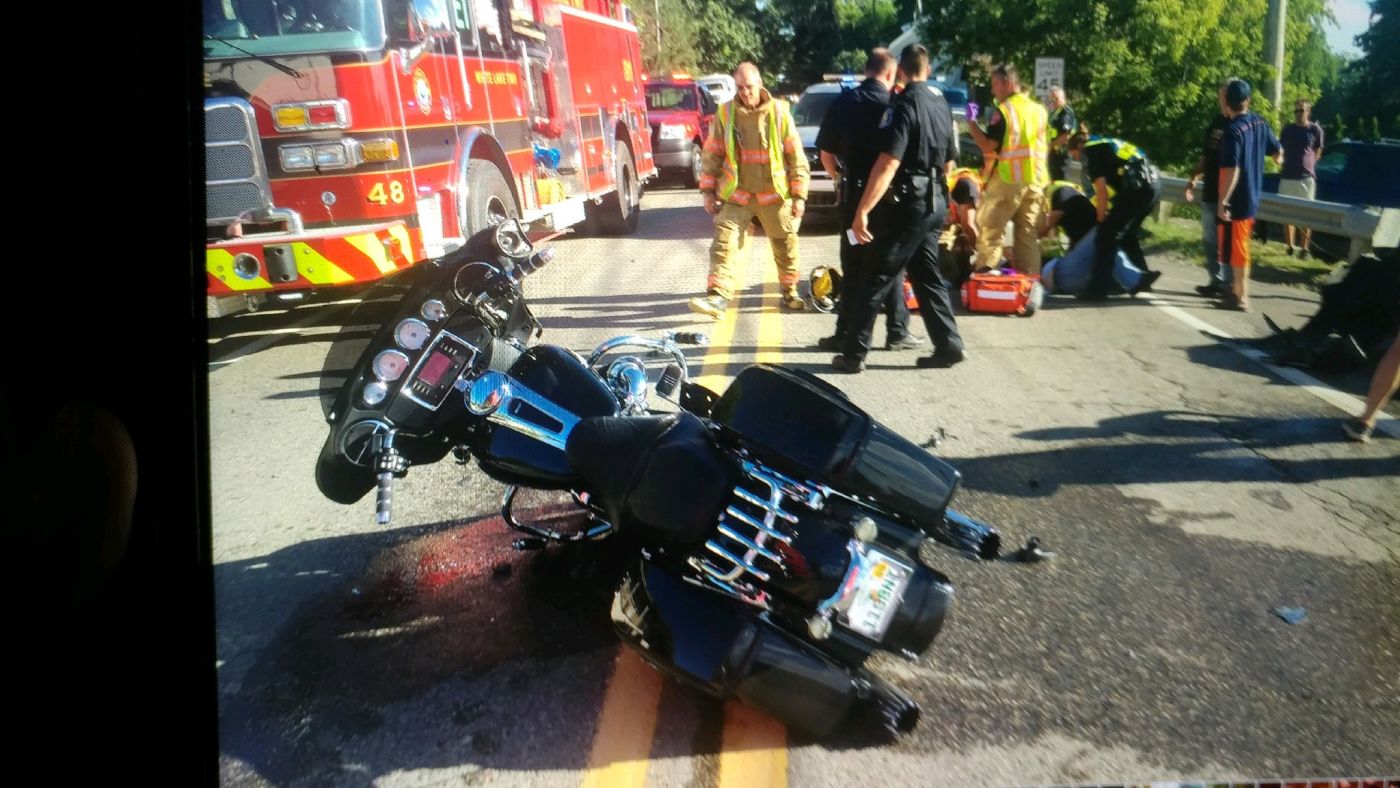
A drunk driving crash can leave you and your family dealing with far more than vehicle damage. Medical treatment, time away from work, and long-term injuries can quickly accelerate from an emergency to an ongoing burden, especially when the collision involved high speeds or multiple vehicles.
At the same time, questions arise beyond the impaired driver: whether a bar, restaurant, or event host may share responsibility for putting an unsafe driver on the road. At Schefman & Associates, PC, we help people who need a clear explanation of how drunk-driver responsibility and bar liability may apply after a serious crash. And because there are strict time requirements, your lawyer needs to know what to do and the strict timelines he must be guided by to preserve your claim.
Drunk driving is often both a criminal case and a civil injury claim; each serves a different purpose.
A criminal case focuses on punishment and public safety, while a civil claim focuses on financial accountability for harm caused. Even if the criminal case is pending, reduced, or resolved, the civil case may still be brought, and must be pursued quickly to preserve your rights.
A business that served or sold alcohol may be implicated in the case under Michigan's dram shop laws. That's important because it can affect available insurance coverage and the way the case is investigated from the outset.
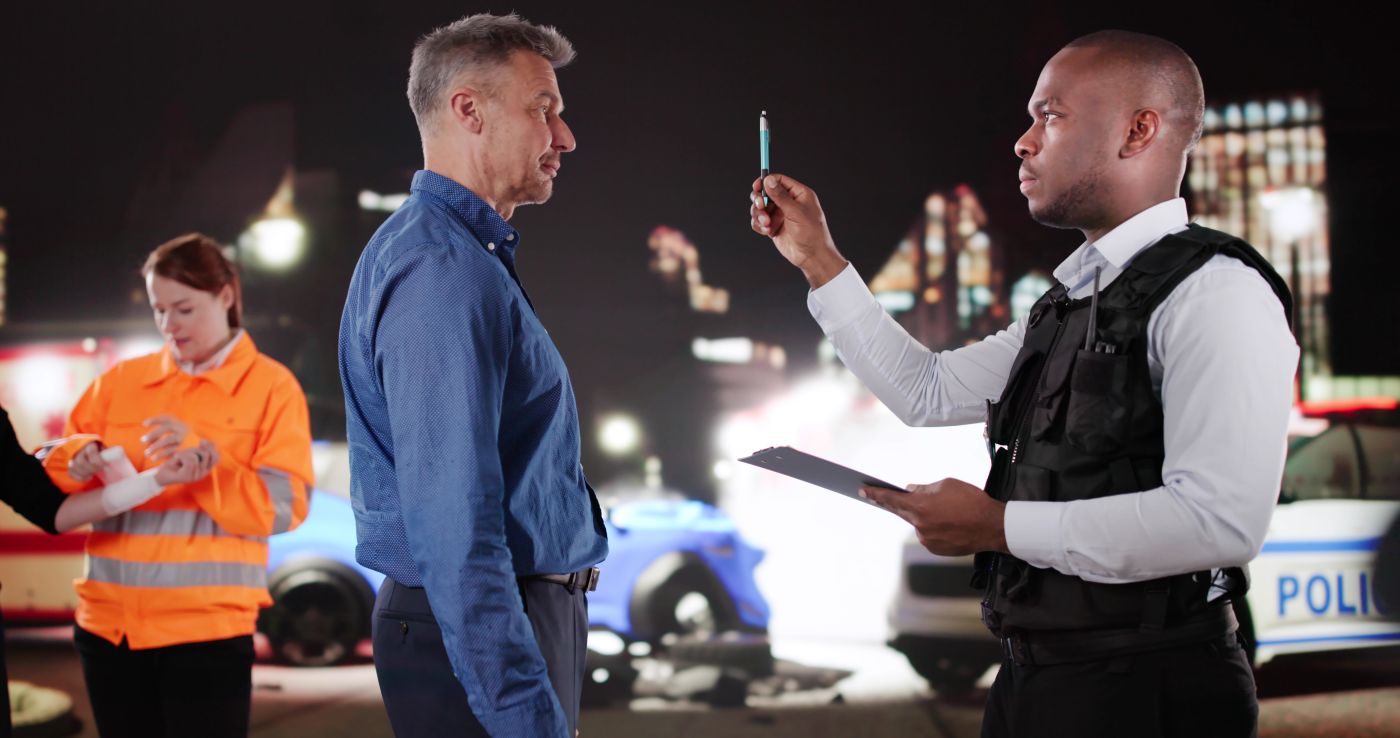
In most drunk driving injury claims, the impaired driver is evaluated under ordinary negligence principles, along with traffic law violations that may support fault. While there may be a presumption of negligence for violating a statute, liability ultimately depends on the facts of the collision. Investigators may examine speed, lane position, right-of-way, braking, and whether the driver created a foreseeable risk to others. Evidence may include police field observations, chemical testing, witness accounts, photographs, vehicle damage patterns, and any available video. Those same materials also matter when a case raises bar liability because they help connect the alcohol service to the unsafe driving and the resulting crash.
However, bar liability is not automatic just because someone drank before a crash. Michigan's dram shop rules are fact-driven and the legal focus is whether alcohol was served when the patron was "visibly intoxicated" or served unlawfully. Usually, a witness must testify that he observed the alleged intoxicated individual display signs of intoxication: slurred speech, unsteady walking, loud yelling, or belligerence. But internal video cameras can provide this evidence as well, and those need to be isolated as quickly as possible. Preserving evidence early is often the difference between a clear record and no case at all.
Bar liability cases tend to rise or fall on proof that connects alcohol service to visible impairment and to the crash timeline, so the most useful evidence usually falls into a few repeat categories:
Sales and transaction records: Itemized receipts, point-of-sale logs, tab histories, and timestamps can help show what was purchased and when.
Surveillance and entry footage: Camera footage may capture balance issues, stumbling, slurred speech, or the person's condition upon arrival and departure.
Witness observations: Statements from staff, other patrons, or companions may help confirm speech, coordination, demeanor, and whether intoxication appeared obvious.
Police documentation and testing: Reports, breath or blood tests, and officer observations can help establish impairment in close proximity to the crash.
Medical documentation and timeline markers: Emergency care notes and EMS observations can help confirm timing, level of impairment, and crash-related injuries.
Phone and location data: Location history and time-stamped communications may support the timeline of the person's location and departure time.
The goal isn't to build a case around a single item of proof. It is to align the records so the timeline demonstrates that the signs of intoxication are supported by multiple sources. Since bars and restaurants may not retain video or transaction data indefinitely, early legal action is important to request and preserve records before they’re overwritten or discarded.
Drunk-driving cases need to move in multiple directions at once. At Schefman & Associates, PC, located in Bloomfield Hills, Michigan, from criminal proceedings to insurance disputes to questions of bar liability, we help you sift through the evidence that matters. Our attorneys serve clients throughout Oakland, Wayne, Macomb, and Washtenaw Counties. If you were hurt in a crash involving suspected impairment, contact us to schedule a consultation and discuss next steps.