Photos: Evidence That Strengthens a Car Accident Injury Claim
For many people, the days after a car accident are filled with medical appointments, vehicle repairs, and conversations with insurance companies. While you focus on recovery, questions may begin to surface about how the accident happened and how you’ll show the full impact it has had on your life.
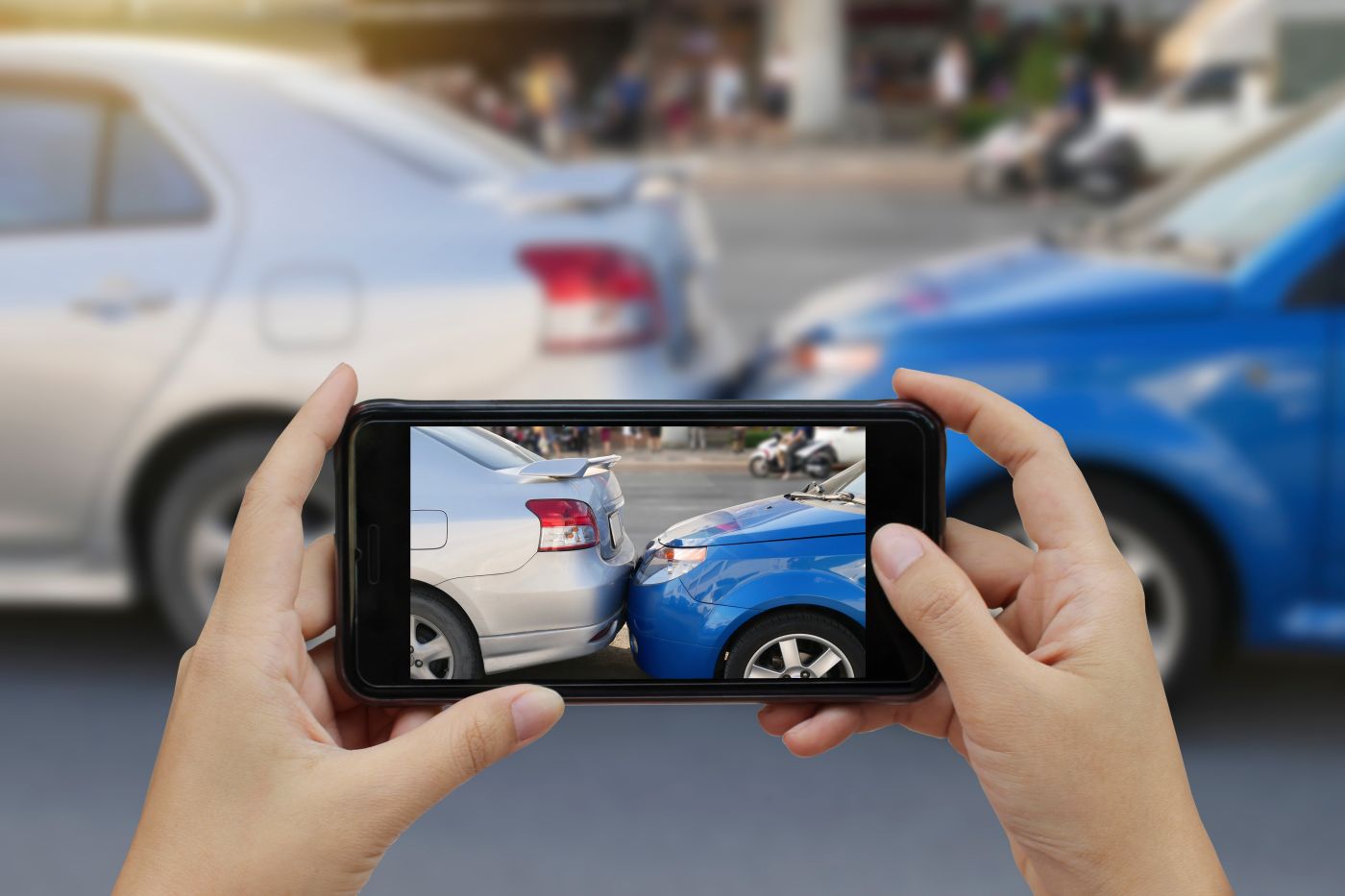
Photographs and visual documentation can be among the most powerful tools when presenting a car accident injury claim. Images taken at the scene or shortly after the crash can provide a clearer picture of the damage, the conditions, and the injuries involved. These visuals can support other forms of evidence and help explain events that might be difficult to describe.
At Schefman & Associates, PC, we do the work to gather the strongest evidence after a collision. From our office in Bloomfield Hills, Michigan, we assist people throughout Oakland, Wayne, Macomb, and Washtenaw counties. If you have questions after a collision, reach out to us to discuss your situation and learn how we may assist.
When people talk about evidence in a car accident claim, they often think about police reports or medical records. While these documents are informative, the police report only starts the investigation and it is not admissible in court, and medical records require admission and a witness to do that. Photographs and video footage can play a more powerful role in showing what happened. Visual evidence can capture details or perspectives that may be difficult to explain through written statements alone.
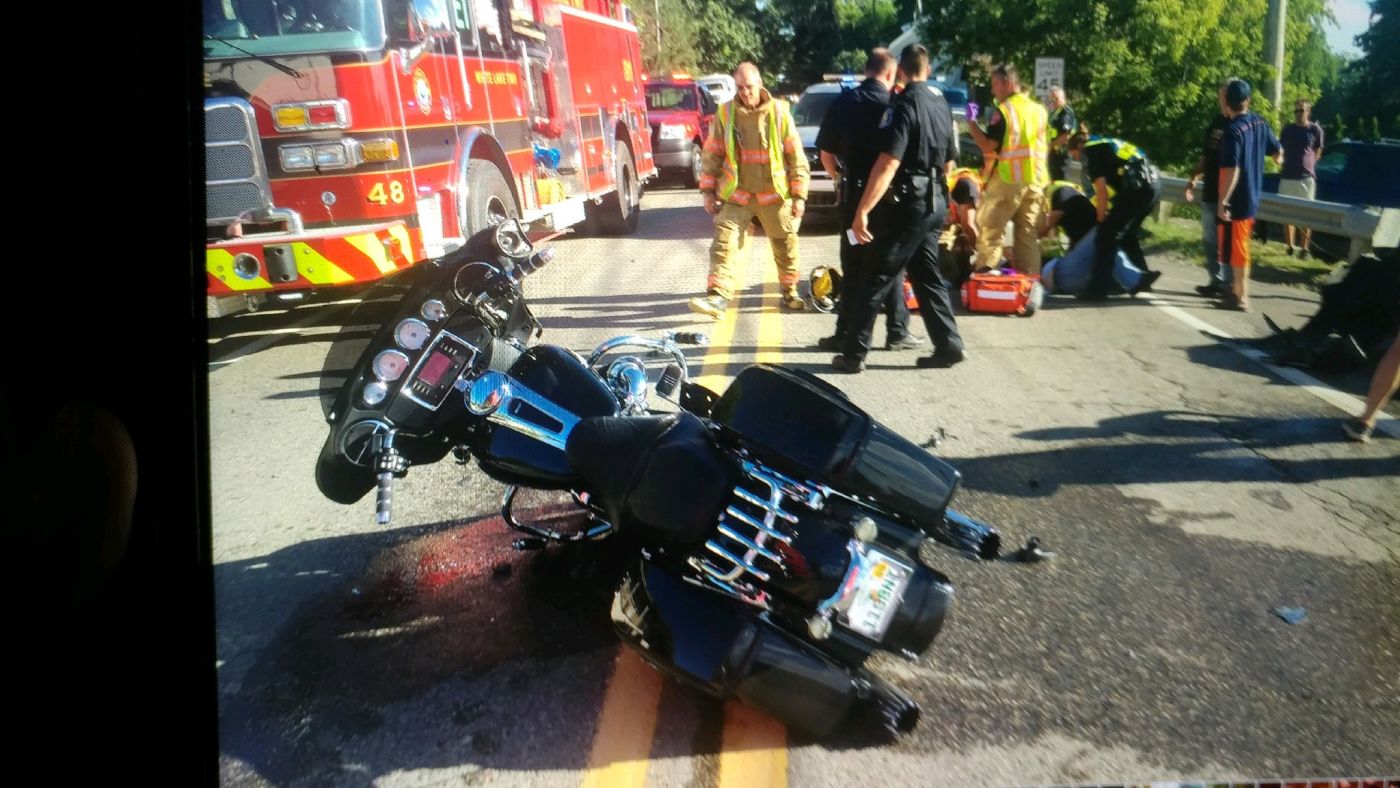
Photos taken shortly after a car accident can show the position of vehicles, the extent of property damage, and the conditions surrounding the crash, which can be relied on by accident reconstruction experts and other witnesses. These details may help clarify how the collision occurred and what factors contributed to it. Road debris, skid marks, and traffic signs can all appear in images that later help explain the sequence of events.
Visual evidence can also support witness statements and the opinions of experts in recreating the scene and cause of the crash. Sometimes people remember events differently, especially when stress and confusion are involved. Photographs can provide a consistent reference point that supports other forms of documentation.
An experienced lawyer uses these images, along with other evidence, to build a convincing picture of the car accident, the crash's severity, and the conditions at the time.
When documenting a car accident, certain types of photographs may provide particularly helpful information. These images can highlight important details that help explain how the crash occurred and how it affected those involved.
Different types of angles for photos that may provide a fuller view of the scene are:
Vehicle damage: Photographs showing damage to each vehicle involved in the car accident can illustrate the force of the impact and where the collision occurred.
Accident scene: Images of the roadway, traffic signals, and the surrounding environment can help describe the conditions at the time of the crash.
Visible injuries: Photos documenting injuries may show the immediate physical impact of the accident.
Road conditions: Pictures of weather conditions, road hazards, or construction areas may help explain factors that contributed to the accident.
Vehicle positions: Images showing where vehicles came to rest after the crash may support a reconstruction of the car accident.
These types of photographs can work together to present a clearer visual record of the incident. Each image may contribute small pieces of information that become meaningful when reviewed alongside other evidence. Collecting these photographs shortly after a car accident may provide helpful documentation that supports your claim as the case moves forward.
While photos can be powerful evidence, they're usually most effective when combined with other documentation related to the car accident. Multiple forms of evidence may work together to support your claim and describe the full impact of the collision.
Several types of documentation that may complement photographic evidence are:
Police investigative reports: Officers responding to the car accident may document the scene, interview witnesses, and record observations that support your claim in reports that are separate from the Michigan UD-10 form.
Medical records: Documentation from healthcare providers may describe the injuries you experienced and the treatment required after the accident.
Witness statements: People who saw the crash may provide accounts of what occurred.
Vehicle repair records: Repair estimates and invoices can show the extent of damage to your vehicle.
Traffic camera footage: Cameras near the accident site may have captured the accident.
When these forms of evidence are reviewed together, they may create a stronger overall picture of the incident. Photographs provide visual context, while documents and statements supply additional details about what happened. An experienced personal injury lawyer can help gather and review these materials while evaluating the circumstances of the car accident.
Recovering from a car accident can take time, both physically and emotionally. Injuries, medical appointments, and financial concerns create added stress. During this time, we work with people who have been involved in a car accident and want to explore their legal options. At Schefman & Associates, PC, we help clients review evidence, including photographs and documentation that may support their claims, and we locate the experts you need to build your case, brick by brick. Our firm serves individuals in Bloomfield Hills and throughout Oakland, Wayne, Macomb, and Washtenaw counties.
If you or someone you care about has been injured in a car accident, speaking with an attorney may help you gain a clearer view of what may come next. Reach out to Schefman & Associates, PC today to discuss your situation and learn how we may assist.